
1. Introduction to the Genius of Shivaji Maharaj
Home > Article Detail
Author: Shreyas Patil
Date: September 18, 2026
Introduction
Chhatrapati Shivaji Maharaj is often celebrated as a warrior king and the founder of the Maratha Empire. However, his greatness transcends his military conquests. Shivaji’s life and work demonstrate his genius as an administrator, diplomat, engineer, and cultural reformer. This chapter explores these lesser-known but equally significant aspects of his leadership, revealing how Shivaji shaped a visionary legacy far ahead of his time.
________________________________________
Beyond the Battlefield
While history often remembers Shivaji for his military exploits, such as the capture of forts and his legendary guerrilla warfare tactics, his brilliance extended into areas that ensured the longevity of his empire. Shivaji demonstrated an extraordinary ability to build systems and institutions that stood the test of time, focusing on:
1. Innovative Governance:
o Shivaji established a decentralized administrative model that empowered local governance while maintaining central authority. His system ensured efficient tax collection, law enforcement, and dispute resolution.
2. Engineering Marvels:
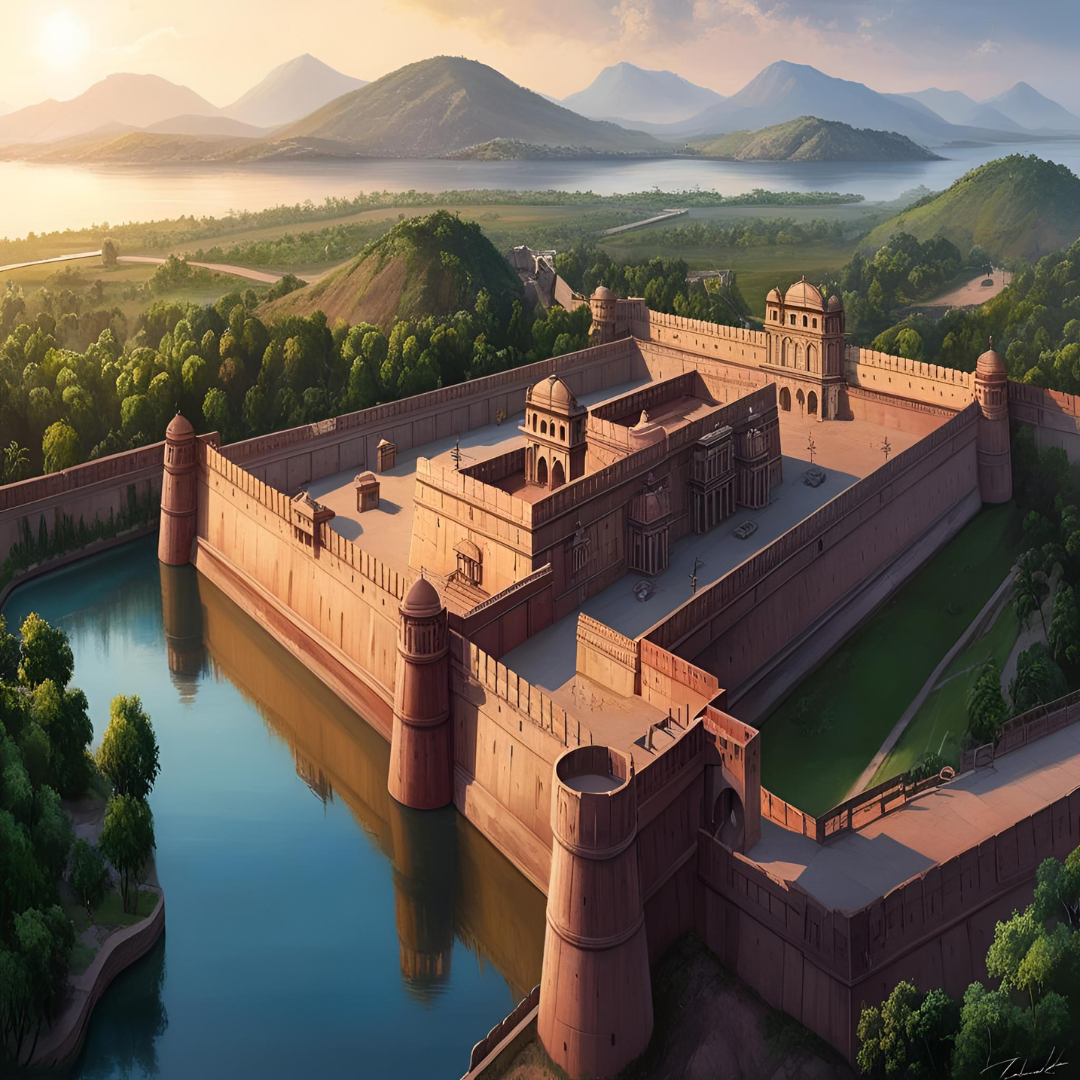
o Shivaji's forts, such as Raigad and Sindhudurg, showcased advanced architectural and engineering knowledge. These structures blended seamlessly with their natural surroundings and incorporated sustainable resource management.
3. Cultural Renaissance:
o He promoted Marathi as the administrative language, fostering cultural pride and identity. Shivaji was a devout Hindu but maintained a progressive outlook, respecting all religions and encouraging tolerance.
4. Maritime Strategy:
o Recognizing the importance of sea power, Shivaji developed a formidable navy, making him one of the first Indian rulers to focus on coastal defense and maritime trade.
________________________________________
A Visionary Leader
Shivaji's leadership style was rooted in inclusivity, meritocracy, and strategic thinking. He believed in building a state that prioritized the welfare of its people, irrespective of their caste, religion, or social status. His leadership can be analyzed through the following dimensions:
• Empathy for Subjects:
o Shivaji’s policies aimed at protecting the dignity of his people, especially women and marginalized groups. His soldiers were forbidden from harming civilians, a code of ethics rarely seen in his era.
• Strategic Alliances:
o Shivaji’s diplomatic acumen enabled him to form alliances with diverse powers, including Mughals, Bijapur Sultanate, and even European traders like the British and Portuguese, while safeguarding his interests.
________________________________________
Why Shivaji’s Genius Matters Today
Shivaji’s principles of governance, sustainability, and inclusivity hold lessons for modern leaders. His life is a testament to the power of vision, strategic thinking, and ethical governance in overcoming challenges.
________________________________________
Key Takeaways
• Shivaji was not just a warrior but a multifaceted leader who laid the foundation for a resilient empire.
• His legacy includes contributions to governance, culture, engineering, and diplomacy.
• Shivaji's emphasis on ethics, sustainability, and inclusivity makes his leadership relevant even today.
________________________________________
Activity Corner
1. Discussion Topic:
o "What modern leadership qualities can be derived from Shivaji Maharaj’s life?"
2. Creative Assignment:
o Draw a concept map showing Shivaji’s contributions to administration, culture, engineering, and military strategy.
3. Research Task:
o Compare Shivaji’s administrative model with modern decentralized governance systems.
________________________________________
Conclusion
This chapter serves as a foundation for exploring the broader dimensions of Shivaji Maharaj’s genius in subsequent chapters. It encourages students to think critically about leadership and the lasting impact of Shivaji’s vision.